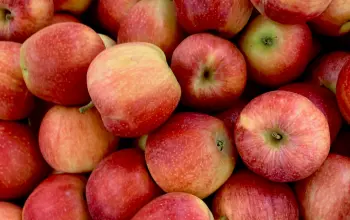
Apples
CA, ULO, and DCA storage for long-season cultivars; the core application worldwide.
Controlled Atmosphere Storage
CSDS designs, engineers, and commissions Controlled Atmosphere rooms for apple, pear, berry, kiwi, stone-fruit, cabbage, onion, and specialty produce operators. Refrigeration, gas-tight construction, O₂ and CO₂ regulation, ethylene management, and 24/7 monitoring are coordinated as one system — so firmness, flavour, and market quality hold through a multi-month storage campaign.

How CA Storage Works
Fresh fruit and vegetables keep respiring after harvest — consuming O₂, releasing CO₂, and producing ethylene that accelerates ripening. Conventional cold storage slows these reactions, but does not stop them. Controlled Atmosphere storage pairs refrigeration with active regulation of the gas composition inside a gas-tight room, dramatically slowing respiration so produce can be marketed months later at near-harvest quality.
The room itself has to hold gas, not just cold. We engineer insulated metal panel layouts, sealed floors, CA-rated doors, pressure relief, and measurement penetrations so the atmosphere inside stays stable once it is pulled down.
A VSA or PSA nitrogen generator pulls oxygen from around 21% down to the product-specific setpoint, typically 2–3% for CA, 1–1.5% for ULO, and sub-1% for DCA apple storage.
Respiration keeps adding CO₂ to the room. A carbon-based scrubber cycles room air through adsorption beds and regenerates automatically, holding CO₂ at the crop-specific setpoint without manual intervention.
For ethylene-sensitive crops such as kiwi, we add a catalytic ethylene converter and, where required, a ppb-level ethylene analyzer. Humidity is held high to prevent mass loss without creating free moisture on fruit surfaces.
A dedicated CA controller (Auto Store–class) coordinates refrigeration, gas generation, scrubbing, ethylene, and humidity while logging every parameter to the cloud and the operator app for review and alarming.
Remote diagnostics, weekly quality reports, and 24/7 alarm response over phone and messaging keep the rooms on target through the entire storage season.
CA vs ULO vs DCA
General long-term storage of apples, pears, cabbage, and vegetables where moderate O₂ reduction is enough to hold firmness and colour through winter and spring markets.
Premium apple and pear cultivars requiring extended storage — typically six to ten months — where ULO improves firmness and reduces superficial scald risk versus standard CA.
High-value apple storage. Oxygen is driven just above the fruit’s anaerobic fermentation threshold and adjusted dynamically using fluorescence, ethanol, or respiratory quotient signals — delivering the best available quality retention when executed properly.
Crops We Store
CA setpoints, pull-down time, ethylene sensitivity, and humidity targets vary significantly by crop and cultivar. We tune room specification and controller logic to the actual produce being stored.
CA, ULO, and DCA storage for long-season cultivars; the core application worldwide.
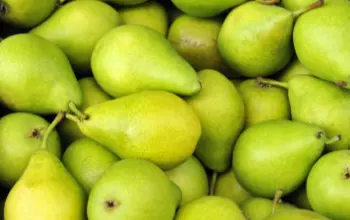
ULO storage with careful CO₂ and ethylene management to avoid core browning.

High-CO₂ CA in pallet-bag (Pallistore) or full-room configurations for extended shelf life.

CA with ethylene converters and ppb-level ethylene monitoring for long programs.
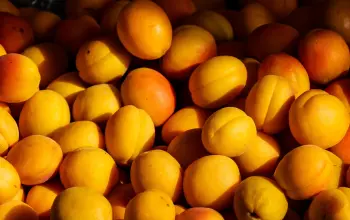
Short- to mid-term CA programs tuned to stone-fruit physiology.
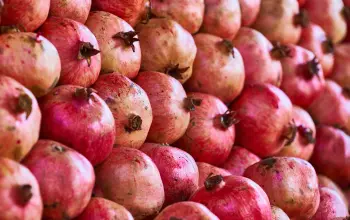
CA storage to extend export and off-season market windows.
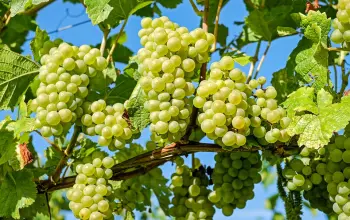
Cold chain and CA storage for table-grape programs.
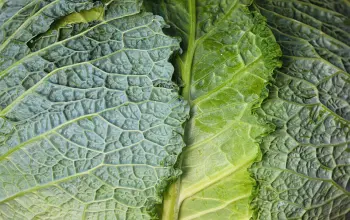
CA for cabbage, Chinese cabbage, and similar long-store vegetables.
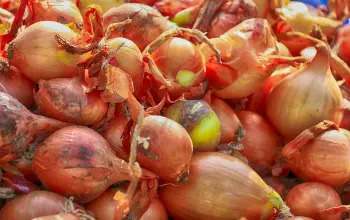
Bulk ventilated cold storage integrated alongside CA rooms on multi-product sites.
Adjacent Applications
The same core technology — reliable oxygen reduction inside a sealed, monitored space — supports a handful of adjacent markets we can scope on request.
Hypoxic atmospheres in archives, server rooms, cold stores, and high-value warehouses where traditional suppression is not acceptable.
Engineered low-oxygen environments for athletic performance training and acclimatization rooms.
Chemical-free insect disinfestation of stored produce by combining controlled atmosphere with precise temperature cycling.
Send us the crop, tonnage, and site situation. We will scope the right envelope, refrigeration, and gas-handling package and walk you through the trade-offs before anything gets locked in.